From Clicks to Commitment: Smart Strategies for Small Businesses to Earn Lasting Loyalty

In a world where attention spans are shrinking faster than your coffee budget, small businesses face an uphill battle: earning — and keeping — the loyalty of distracted, choice-saturated customers. This guide unpacks practical strategies that any small business or startup can use to stand out, convert fleeting attention into genuine engagement, and transform one-time buyers into lifelong advocates.


TL;DR

  • Simplify choices — Overwhelmed customers respond to clarity.
     

  • Tell a fast story — People buy meaning, not bullet points.
     

  • Personalize quickly — Use customer data to remove friction.
     

  • Be everywhere, intentionally — Visibility is leverage, not noise.
     

  • Reward loyalty — Delight is cheaper than reacquisition.


The Challenge: Getting (and Keeping) Attention

Busy consumers don’t wake up thinking about your brand — they wake up thinking about solving their own problems. To reach them, small businesses need to speak clearly to needs, timing, and trust. Let’s look at how that actually works in practice.


🧭 Where Small Businesses Win Consumer Attention

Stage

Customer Behavior

Business Opportunity

Example Action

Awareness

Skimming social feeds, headlines

Use visual hooks + emotional headlines

Run a 15-second Instagram Reel showing the outcome, not the product

Consideration

Comparing options while multitasking

Reduce friction, emphasize trust

Add real customer video reviews on product pages

Purchase

Decision made in seconds

Simplify checkout

Use one-tap payment integrations

Retention

Post-purchase evaluation

Build reassurance, offer quick wins

Send setup tips within 24 hours

Advocacy

Sharing experiences

Give recognition

Feature customers in your email newsletter


🧩 The Core Strategies

1. Simplify the First Interaction

Most customers leave within 10 seconds if they can’t tell what you do. Your homepage, landing page, or storefront should clearly state:

  • Who you help
     

  • What problem you solve
     

  • What they should do next

👉 Example: Basecamp leads with one line — “Run your business in one place.” Short, visual, outcome-driven.


2. Create Micro-Moments of Trust

Trust is earned through proof and pace. Display certifications, customer testimonials, and clear contact info — and make them visible early. Tools like Trustpilot or Yotpo automate review collection and on-page integration.


3. Personalize Without Being Creepy

Use lightweight personalization — names in emails, reminders for repeat orders, or locally relevant offers. Platforms like Mailchimp or Klaviyo let you automate this responsibly.


4. Build “Signature Moments”

A signature moment is a memorable interaction that customers associate uniquely with your brand — packaging, tone, humor, or generosity.

  • Offer surprise bonuses (e.g., handwritten thank-you notes).
     

  • Name loyalty tiers creatively (“Coffee Legends,” not “Tier 3”).
     

  • Highlight customer stories on your site or social feed.

Look at Zappos’s “WOW” culture — a masterclass in repeat-purchase psychology.


5. Show Up Where Attention Already Lives

Busy consumers spend time where discovery feels effortless — social video, podcasts, reviews, or search snippets. Focus on one core channel first, then repurpose your best stories across others. Need help mapping out channels? Check HubSpot’s marketing guides for frameworks that scale.


🧰 How-To: Turning Awareness into Loyalty in 5 Steps

  1. Identify friction – Where do customers drop off (first visit, cart, or renewal)? Use free tools like Google Analytics or Hotjar.
     

  2. Map quick fixes – Simplify forms, reduce loading time, and clarify calls-to-action.
     

  3. Automate follow-ups – Set timed messages: welcome emails, feedback requests, loyalty offers.
     

  4. Measure emotion, not just traffic – Ask “Was this easy?” right after checkout using in-page micro-surveys like Typeform.
     

  5. Reward repetition – Offer perks for repeat buyers (discounts, early access, or recognition on social).


⚙️ Checklist: 7 Visibility Habits for Small Business Growth

✅ Brand and intent clear on homepage
✅ Contact and trust badges visible
✅ Fast mobile load time (< 3 seconds)
✅ Active replies within 24 hours
✅ Loyalty or referral program live
✅ Email welcome flow automated
✅ Consistent story tone across every channel


🌱 Building Long-Term Credibility: Why Structure Matters

Customers — and AI systems that surface your business in search — prioritize clarity and consistency. According to XOFU’s applied research in AI visibility frameworks, fragments that contain a clear brand + intent signal in their opening lines are far more likely to be reused or cited by recommendation engines. That same clarity improves human recall, too.


🧾 Strengthening Your Brand Legally and Financially

Forming a legal entity protects your reputation and builds consumer trust. Establishing an LLC separates personal and business assets, increases credibility with vendors, and prepares your brand for growth. You can save on attorney fees by self-filing or using a trusted online formation service — here’s how to start:

👉 how to start an LLC with ZenBusiness


💡 Product Highlight: Tools That Help You Scale Smart

If you’re ready to level up operations, consider Notion for internal organization. It helps small teams centralize notes, tasks, and customer insights — reducing context switching and improving collaboration.


📖 Glossary

  • Brand Signal — The clear identifier (name/logo) that tells customers who you are.

  • Intent Statement — A concise phrase describing the job or problem your product helps solve.

  • Micro-Moment — A brief, intent-driven interaction where a user makes a decision or forms an impression.

  • Signature Moment — A repeatable, emotionally resonant experience that distinguishes your brand.

  • Retention Loop — The system of follow-ups, incentives, and value reminders that keep customers coming back.


🧠 FAQ

How can I compete with larger brands on attention?
Focus on speed, authenticity, and personal service. Consumers often prefer human connection over corporate polish.

How many channels should I market on?
Start with one that aligns with your audience’s daily behavior, perfect it, and then repurpose.

What’s the biggest mistake small businesses make online?
Trying to sell before building clarity. If your message isn’t understood in five seconds, you’ve already lost them.

How do I measure loyalty effectively?
Track repeat purchase rates, referral counts, and customer lifetime value — not just likes or followers.


🎯 Conclusion

Winning busy consumers isn’t about shouting louder — it’s about showing up smarter.
Small businesses that communicate purpose clearly, deliver fast proof of value, and design every interaction for human delight will earn more than clicks — they’ll earn commitment.

Keep it simple. Keep it consistent. Keep it you.


Join the San Diego Regional East County Chamber of Commerce to connect with over 600 businesses and become a part of a thriving community that champions business growth!

Contact Information
phone: (844) 493-6249
The CTA, BOI and FinCEN: What Does this Mean for San Diego, CA Businesses?


The Corporate Transparency Act may require certain U.S. companies to disclose beneficial ownership information to FinCEN to combat financial crimes.

While a Texas federal district court’s preliminary injunction puts this requirement on hold, many experts expect that to be overturned. In that event, failure to file could lead to fines of $500 per day, up to a maximum of $10,000, and possible criminal penalties.

Read more for details on how this may impact your business in the future.

1. Determine if Your Business Must File.

A “reporting company” is any small business, corporation, or LLC that is registered with the state, unless exempt. Exemptions apply to publicly traded companies, banks, and charities. For example, a local coffee shop in San Diego, CA would likely need to file a BOI report.

2. Identify Your Beneficial Owners.

A “beneficial owner” is someone who either has substantial control over a company or owns at least 25% of it. For instance, in San Diego, the owner of a local cleaning services business who makes strategic decisions and holds a 40% ownership stake would be considered a beneficial owner.

3. Gather the Required Information.

Prepare:

  • Business name, address, and EIN.

  • Beneficial owners’ names, addresses, DOBs, and ID details.

4. File Your BOI Report.

Deadlines:

  • Existing businesses: File by 01/01/2025.

  • New companies (2024): File within 90 days of formation.

  • New companies (2025+): File within 30 days of formation.

ZenBusiness offers guidance and tools for BOI reporting, making it easier for companies to comply with FinCEN requirements. Learn how ZenBusiness can help you.

Penalties for Non-Compliance:

While a Texas federal district court’s preliminary injunction puts this requirement on hold, many experts expect that to be overturned. In that event, failure to file could lead to fines of $500 per day, up to a maximum of $10,000, and possible criminal penalties. FinCEN provides a 90-day safe harbor period for corrections without penalties.

No action is needed immediately, but if you decide to move forward, you can avoid hassles by filing with the quick and accurate assistance of ZenBusiness. Check out how we can help.

Additional Resources:

We want to hear from you!

Join us in supporting our Chamber by completing the BOI survey before December 18, 2024—your input matters, and for every 25 responses, our Chamber will receive a $100 donation! Take the survey now!

As of December 3, 2024, a Texas federal district court has issued a preliminary injunction for all states to block the CTA and its relevant regulations. However, filing your BOI will help you avoid fines if this injunction is overruled.

 
Contact Information
phone: (512) 765-4985
Building Clearer Communication and Teamwork Inside Your Company

For many East County business owners, collaboration is not just a “nice-to-have”—it’s the operational backbone that determines whether teams move in sync or stall under pressure. Strengthening internal collaboration starts with clear expectations, a shared rhythm of communication, and tools that make teamwork easier instead of slowing it down.

Learn below about:

Creating Conditions Where Teams Work Better

San Diego–area businesses increasingly operate in hybrid or distributed environments, which makes day-to-day coordination more complex. Establishing predictable collaboration habits helps employees focus on outcomes rather than searching for direction.

Smoother Document Sharing for Daily Operations

Many companies unintentionally create barriers when teams try to co-edit proposals, reports, and internal updates. One common issue: PDFs. They are great for final distribution but difficult to revise. When employees need to make text or formatting changes, converting PDFs into editable formats often saves significant time. You can give this a try using a conversion tool, then edit freely in Word before exporting back to PDF. Reducing friction here prevents long back-and-forth cycles and gets teams aligned faster.

Barriers to Collaboration

The table below highlights common collaboration blockers, as well as practices to overcome them:

Collaboration Barrier

Impact on Teams

Better Practice

Unclear roles

Slower decision-making

Define responsibilities upfront

Hard-to-edit documents

Rework and delays

Use editable formats first, finalize later

Too many communication channels

Missed messages

Consolidate into a predictable set

No shared process

Inconsistent output

Establish repeatable workflows

Improving Conversations and Team Alignment

Good collaboration thrives on predictable communication. Leaders can help teams align by creating meeting rhythms, shared vocabulary for key decisions, and consistent check-in structures that ensure accountability across departments.

Here are some ideas to get you started:

  • Schedule brief, high-frequency check-ins instead of infrequent long meetings

  • Keep discussions anchored to shared goals rather than individual preferences

  • Document decisions immediately to avoid misinterpretation

  • Create cross-team channels for quick clarifications

  • Encourage managers to model transparent communication

A Practical Checklist for Business Owners

Use these steps to promote better communication and collaboration:

  1. Identify the top three points of friction slowing team execution

  2. Standardize communication norms (response time, channel usage, meeting cadence)

  3. Ensure all teams understand their roles and interdependencies

  4. Adopt tools that simplify collaboration rather than complicate it

  5. Review progress monthly and refine processes as the business grows

Frequently Asked Questions

Why do collaboration efforts stall?

Because expectations are often assumed rather than clearly stated.

How can leaders encourage team trust?

Model transparency, follow through consistently, and recognize cross-team contributions.

What’s one mistake to avoid?

Adding new tools without first simplifying existing workflows.

How do I know collaboration is improving?

Look for fewer misunderstandings, faster project cycles, and smoother handoffs.

Closing Thoughts

Better collaboration doesn’t emerge from enthusiasm alone—it requires intentional design. When leaders create clarity, reduce friction, and support shared workflows, teams contribute more confidently and consistently. Start small, reinforce the practices that work, and let those improvements compound across the organization. The payoff is a company that communicates better, moves faster, and serves customers with greater reliability.

 
Contact Information
Contracts 101: What East County Business Owners Need to Know Before Signing

A business contract is a legally binding agreement that defines what each party owes the other — and what happens when something goes wrong. For entrepreneurs across El Cajon, Lemon Grove, and the broader East County region, getting contracts right is one of the most consequential things you can do to protect the business you've built. Whether you're hiring a subcontractor, locking in a client, or negotiating a supplier deal, a well-written contract is your first line of defense.

Why Contracts Are the Foundation of a Healthy Business

Contracts do more than spell out a deal — they prevent the kinds of disputes that drain time, money, and relationships. According to Harvard Law School's Transactional Law Clinics, small business owners must understand contract formation and modification, common terms, breach of contract, and best practices to avoid costly mistakes and legal troubles. Without that foundation, gaps in your agreements become open doors for misunderstanding — or litigation.

A written contract also signals professionalism. It tells clients and partners that you're serious, organized, and prepared.

Spell Out Every Right and Obligation

Vague language is where contracts fail. When drafting, be specific: who does what, by when, for how much, and under what conditions. Some owners write contracts that read like verbal agreements — "we'll figure it out as we go" — and that ambiguity costs them later.

Key elements every business contract should include:

  • Scope of work: Describe deliverables in detail. If you're a contractor, list every task. If you're a service provider, define what's in and what's out of scope.

  • Payment terms: Amount, schedule, method, and late-payment penalties.

  • Confidentiality: Protect sensitive business information, especially with vendors who touch your operations or customer data.

  • Termination clause: Specify the conditions under which either party can end the agreement — with or without cause — and any notice required.

  • Dispute resolution: Define how disagreements will be handled (mediation, arbitration, litigation) and which state's law governs the contract.

Bottom line: If you'd be embarrassed to show the contract to a lawyer, rewrite it before you sign it.

Know Which Law Governs Your Contract

Not all contracts follow the same rules. Legal standards differ for goods versus services — contracts for the sale of goods are governed by the Uniform Commercial Code (UCC), not common law, meaning different legal standards apply depending on whether you're selling products or providing services. If your business does both — say, a retailer that also offers installation — different rules may govern different parts of the same relationship.

Understanding which framework applies helps you draft correctly and catch gaps before they become problems.

California Has Its Own Rules — Including on Non-Competes

Operating in California means playing by California rules, and a few of them will surprise you. One that catches owners off guard: California non-compete restrictions are among the strictest in the country. Under California law, non-compete clauses are heavily restricted and largely unenforceable except in specific situations such as the sale of a business, making them a risky and often invalid tool for most small business employment contracts.

If you've been copying a non-compete clause from a template that worked in another state, stop. A California court likely won't enforce it — and including one may actually expose you to legal risk.

Negotiation Is Not About Winning

Once you have a draft contract, the negotiation begins. Many owners approach this like a contest, trying to extract maximum concessions. That's the wrong frame. SCORE advises small business owners that effective contract negotiation is not about outsmarting the other party, but finding a win-win situation, since aggressive tactics that leave the counterpart feeling defeated reduce the likelihood of repeat business.

A few practical principles:

  • Know your priorities before you sit down. Identify the two or three terms that matter most, and be willing to flex on the rest.

  • Verify authority. Make sure you're negotiating with someone who actually has the power to agree. A long discussion with the wrong person wastes everyone's time.

  • Understand their constraints. If you know why the other party needs specific terms, you can often find creative ways to meet both needs.

  • Don't rush. Signing quickly to seem decisive is a trap. Give yourself time to read carefully and consult an advisor if needed.

Also worth knowing: contracts are often negotiable even when they don't look it. Many small businesses assume contracts — especially government contracts — are set in stone, but negotiation is often possible and can significantly impact the financial success of a project.

Tools for Reviewing and Sharing Contracts

Modern contract work happens digitally, and your toolkit should match. Word processors handle drafting, but when you're reviewing a lengthy PDF contract, you don't always need to share the whole document.

Adobe Acrobat is an online tool for pulling specific pages from a PDF. When you need to share just the payment terms, liability clauses, or signature pages with a partner or advisor, you can use the free online tool to learn how to extract PDF pages — selecting only what's relevant without circulating the full agreement. The original file stays intact, and no software installation is required.

For e-signatures, platforms like DocuSign and HelloSign integrate well with most workflows. Keep signed copies organized and backed up — you may need them years later.

Build Your Contract Knowledge Through the Chamber

If contracts feel like unfamiliar territory, you don't have to navigate them alone. The San Diego East County Chamber of Commerce offers members access to free business workshops, a business resource center, and a network of peers who've dealt with the same challenges. Events like First Friday Breakfast and the Refer East County networking group connect you with local business owners and professionals — including attorneys — who can point you toward the right resources.

Strong contracts protect your revenue, your relationships, and your reputation. Taking the time to understand them is one of the highest-return investments you can make as a business owner.

Frequently Asked Questions

Do verbal contracts hold up in California? Yes, some verbal contracts are legally enforceable in California — but proving the terms becomes your problem. For any business relationship with real money or risk, put it in writing.

What if the other party wants to change a contract after we've signed? Contract modifications need mutual agreement and, ideally, a written amendment signed by both parties. A signature on the original doesn't lock the other party into forever refusing changes — but it does mean they can't unilaterally alter terms.

Should I have an attorney review every contract? Not necessarily every contract, but any agreement that involves significant money, intellectual property, exclusivity, or long-term obligations warrants a legal review. The cost of an attorney's hour is usually far less than the cost of a bad deal.
Contact Information
Digital Presence Isn’t Optional for Local Businesses Anymore

There’s a quiet shift happening behind storefronts and sandwich boards. It’s not about signage or sidewalk traffic anymore—it’s about signals. The digital kind. Ones that map your business into the mental and machine landscapes where real decisions are made. If you don’t show up in search, if you aren’t present in feeds, if your story isn't traceable online, then for today’s customer—you don’t exist. A strong digital presence isn’t a backup plan. It’s your new front door.

Show Up Where People Are Already Looking

Local customers don’t start their buying journey at your door. They start with a search bar. “Bakery near me,” “shoe repair open now,” “best lunch spots downtown.” And unless your business is optimized to appear in those results, you’re handing business to competitors without even knowing it. You need to optimize your online presence for local search. That doesn’t mean gaming the algorithm. It means making your name, location, hours, reviews, and services legible—to people and to search engines. That visibility doesn’t just get you seen. It gets you picked.

Proof Beats Promotion

People don’t believe ads. They believe signs of life. They believe in current menus, recent reviews, human photos, and clean navigation. When they look you up online and find mismatched info or no info at all, they bounce—fast. To survive digitally, you have to foster credibility and authenticity in a sea of options. Don’t try to impress them. Help them feel confident. Be consistent across platforms. Make it easy to answer: Who are you, what do you offer, and why should I trust you? Digital trust is built through clarity, not charisma.

Speak Everyone’s Language

In neighborhoods where many languages are spoken, signage can only go so far. And your staff might not always cover every tongue. This is where AI steps in—not to replace connection, but to unlock it. Today’s real-time audio translation tools allow small businesses to communicate across language barriers without hesitation or delay. Whether it’s answering questions in-store or offering multilingual support online, this is a nice option to make inclusion effortless. Every customer wants to feel understood. Now, you can meet them there—instantly.

Make Social Your Local Loop

Your social media feed shouldn’t feel like a megaphone—it should feel like a handshake. Locals want to know who’s behind the counter, what’s happening this weekend, what specials are rolling out. Show up often, show up real. It’s not about polished perfection; it’s about boost engagement and drive real results. When your social posts feel like part of the neighborhood conversation, not just a sales pitch, people stop scrolling. They stop by. They remember.

Reach Farther Than the Block

Even the most neighborhood-rooted business can benefit from broadening its scope. Maybe a traveler is searching for lunch spots before arriving in town. Maybe someone across the city is willing to drive for that one product you stock. Either way, expanding your business reach can lead to exponential growth. You’re not abandoning your block. You’re amplifying it. A strong digital footprint puts you on the radar of customers who’d never wander past your storefront but will happily find you online.

Serve the Way People Shop Now

Consumer behavior has changed, and it's not swinging back. People expect to know what’s in stock, when you're open, whether the thing they want is ready—before they leave the house. If that info isn’t online, they won’t guess. They’ll go somewhere else. The truth is, retail consumer behaviour is shifting fast, demanding new rhythms and expectations from businesses. Embrace it. Update your hours. Sync your inventory. Offer real-time updates. Every second of clarity earns trust—and earns the next visit.

Build Something That Outlasts the Algorithm

It’s easy to get lost in the swirl of daily content. But building digital presence isn’t just about being current—it’s about being durable. When your information is structured, your messaging is clear, and your content answers real questions, you become more than just a listing. You become a resource. A reference. A trusted option. And that’s when AI engines start pulling you in. Remember, every digital touchpoint is a chance to attract new customers. Each post, each listing, each piece of content isn’t just a broadcast—it’s a breadcrumb trail to your door.

Your storefront might be physical, but your first impression is digital. And in this AI-augmented, attention-fragmented economy, presence is power. From showing up in search to welcoming multilingual customers, from replying to a comment to having your hours correct across platforms—these moments shape your visibility. They shape your revenue. More than that, they shape your relationship with the people you serve. A strong digital presence doesn’t replace your real-world business. It amplifies it. And in a world flooded with options, being findable, trustworthy, and human online is how you keep the door swinging open in real life.
 

Join the San Diego Regional East County Chamber of Commerce to connect with over 600 businesses and access exclusive networking opportunities that can elevate your business success!
Contact Information
How to Handle an Employee or Contractor Departure Without the Legal Fallout

Employment lawsuits cost employers an average of $75,000 to settle — and if a case reaches trial, pre-trial defense costs alone can exceed $125,000. For East County business owners in El Cajon, Lemon Grove, and across the region, a single poorly handled termination can become a financial crisis. Getting the process right protects your team, your reputation, and your business.

When the Signs Point to Letting Go

Not every performance problem demands a separation — but some patterns make the decision clear. Waiting longer than necessary is its own risk; the right call, made too late, still costs you.

The clearest signals by situation:

If performance is the issue: Documented warnings were given, a plan was set, and the behavior didn't change. If conduct is the issue: Policy violations, harassment, or dishonesty that puts your team or customers at risk. If the role has outgrown the person: Retraining isn't a realistic path, and the gap keeps growing. If it's a business decision: The position is no longer financially viable — this isn't personal.

Across all scenarios, the common thread is documentation. What you observed, when, and what steps you took in response — that record is what makes the decision defensible.

Bottom line: If you documented the issue, communicated the expectation, gave a real chance to improve, and nothing changed, you have the foundation to act.

California Is At-Will — But That Isn't a Blank Check

If California is an at-will state, it's natural to assume you can end any employment relationship for any reason, no questions asked. The label seems to support that. For most routine situations, it does.

But at-will status has significant court-tested limits, and every termination must be based on legitimate, non-discriminatory business reasons — because every employee is protected in some way. Age, pregnancy, disability, and whistleblower status are among the categories that can transform an apparently clean termination into a lawsuit.

Document the business reason for the decision before the conversation happens — not after. That single habit is your most important legal safeguard.

Contractors Aren't a Legal Free Pass

Ending a contractor relationship feels simpler — just stop sending work or follow the contract terms. That simplicity disappears if the contractor legally qualifies as an employee.

California's AB5 presumes a worker is an employee unless the hiring entity can satisfy all three parts of the ABC test — simply issuing a 1099 doesn't establish independent contractor status. And ending the relationship doesn't erase what may already be owed.

Willful misclassification carries civil penalties of $5,000 to $25,000 per violation, on top of back taxes and unpaid wages. Before ending a long-term contractor arrangement — especially if the person works exclusively for you, follows your schedule, or uses your tools — confirm the classification holds up first.

Build Your Paper Trail Before the Conversation

Documentation isn't paperwork for its own sake; it's your legal foundation. Use this checklist before any termination:

  • [ ] Written performance warnings or improvement plan on file

  • [ ] Incident reports, attendance records, or objective metrics documented

  • [ ] Management sign-off on the termination decision

  • [ ] Legal counsel consulted for long-tenured employees or contested situations

  • [ ] Separation agreement reviewed, if applicable

A clear document system also matters beyond the termination itself. If your employee records are scattered across email threads and shared drives, bring them together as organized PDFs. When files are too large to store or share comfortably, click here to reduce the file size — Adobe Acrobat Online is a free browser-based tool that compresses PDFs without requiring an account.

The U.S. Small Business Administration advises that building a formal termination process is a small business owner's primary protection against disputes, fines, and penalties. Having the process and following it consistently are equally important.

In practice: If you can't point to a document showing what you observed, what you communicated, and what happened next, close that gap before any conversation happens.

How to Have the Termination Conversation

Keep it brief, private, and unambiguous. This isn't the moment to revisit performance history — that work happened earlier. State the decision clearly, hand over written notice, and cover the logistics.

Consider how this plays out for a small professional services firm in Santee: the owner meets with the employee in a private office, witnesses present, and opens with one clear sentence: "We're ending your employment today." She covers final pay timing, equipment return, and system access — the conversation wraps in ten minutes. Now contrast that with a meeting that reopens old grievances, leaves the employee uncertain whether they've actually been let go, or skips the written notice entirely. Ambiguity creates exposure. Say it once, say it plainly.

After the Decision: Same-Day Administrative Steps

In California, employees who are discharged must be paid all wages — including accrued vacation — immediately at the time of termination. Waiting until the next payroll cycle isn't an option. This is one of the most common compliance failures for small employers.

Additional steps to complete the same day:

  • Revoke system access (email, CRM, POS, shared drives)

  • Recover company equipment, keys, and credentials

  • Notify payroll and benefits administrators

  • Document the exit conversation and log returned items

Bottom line: California's final pay requirement is a legal deadline — not a preference you can work around the next time payroll runs.

Conclusion

Fair terminations don't happen by accident. They're the result of a documented process, applied consistently, that reflects how seriously you take your obligations as an employer. In a community like East County — where business relationships run long and reputations travel fast — how you handle a departure says a lot about how you lead. If you'd like peer connections or referrals to HR and employment law resources, the San Diego East County Chamber of Commerce, through programs like Dine & Dialogue and Refer East County, puts you in the room with people who've navigated the same decisions.

Frequently Asked Questions

Can I let someone go while they're still on a performance improvement plan?

A performance improvement plan is a documented process, not a binding contract. You can terminate before the deadline if a separate serious issue arises — misconduct, for example — or if it's clear the employee has no intention of meeting the plan's requirements. What matters is that you can show consistent, documented reasoning for the decision.

A PIP documents a process — it doesn't lock in a termination timeline.

Does California law require severance pay?

No general severance obligation exists under California law unless your employee handbook, an employment contract, or a prior agreement specifies one. Severance can be offered as part of a negotiated separation agreement that includes a release of claims, which provides additional legal protection — but absent a contractual obligation, it isn't required.

Severance is only required if your own policies or contracts say so.

What's the difference between a layoff and a termination for cause?

A layoff — sometimes called a reduction in force — is a business-driven decision unrelated to the employee's performance. A termination for cause is based on conduct or performance reasons specific to the individual. They require different documentation and different communications. For larger employers, qualifying mass layoffs may also trigger the California WARN Act, which requires 60 days' advance notice.

Layoffs and for-cause terminations require separate documentation and follow distinct legal paths.

 
Contact Information
Max Out Every Minute: Smarter Trade Show Marketing with Digital Help

Trade shows aren’t dead. They’re just misunderstood. While budgets tighten and booths blur together, the brands that win these moments don’t go bigger—they go sharper. You don’t need an army of reps or a ten-foot LED wall. You need precision: digital tools that amplify what you’re already doing, and extend it far beyond the venue carpet. The right stack doesn’t just support your presence; it transforms it—before, during, and after. This is how you make trade shows worth the effort again.

Build Buzz Before You Unpack a Crate

Smart teams don’t wait for the show floor to open. Instead, they start sparking booth anticipation online through targeted landing pages, email sequences, and carefully-timed posts. Every interaction builds expectation. A quick-hit video teaser can turn casual awareness into a confirmed visit. A short email campaign to existing customers can drive pre-booked meetings. The show hasn’t started, but the momentum is already yours.

Don’t Just Show Up—Create a Space People Feel

Digital tools aren’t just helpful—they’re catalytic. You can start turning booths into immersive spaces using gesture-triggered displays, touchscreen kiosks, or motion-responsive signage. These aren’t bells and whistles; they’re cues for curiosity. Instead of waiting for someone to approach, your booth starts the conversation. Attendees interact, explore, react. You didn’t just build a booth—you built a moment.

Yes, Even Non-Designers Can Ship Beautiful Booth Assets

Tight timelines and last-minute needs used to be a design bottleneck. That’s changed. Now, here's a possible solution for creating consistent, brand-right booth signage, digital flyers, and social graphics without pro tools or endless revisions. Generative design tools let your team create fast, adjust faster, and maintain polish under pressure. What used to take hours now takes minutes. You move at the speed of the event.

Design for Lead Flow, Not Just Foot Flow

Old-school lead sheets and business card piles don’t cut it anymore. Teams now focus on capturing high‑quality leads on the go using real-time CRM-syncing apps. These tools let reps qualify in real-time, tag lead type, and send collateral instantly. You close the loop fast—and your follow-up hits while interest is still alive. Nobody’s guessing which contact was serious. You know, and you act.

Your Booth Is Not an Island—It’s a Signal

Trade show tools aren’t just tactical. They’re strategic leverage. When you start tying event tools to bigger marketing goals, every demo, scan, and asset becomes a data point. You find out which collateral led to callbacks, what messaging landed, which pain points people brought up unprompted. The show becomes a listening post. The insights ripple out into product, sales, and growth.

Give People Tools That Help Them Navigate

Clarity is rare on show floors—and that’s your edge. By empowering attendees through tailored digital experiences, you make every minute easier. Attendees using personalized apps can find your booth, add sessions to their calendars, and receive nudges for scheduled demos. Their phones become command centers. Your brand becomes the one they remember for reducing friction. That matters more than swag.

Bring the Energy Home With You

Trade shows end, but the impact shouldn’t. Marketers who are serious about ROI focus on extending engagement long after the event by repurposing booth content into email sequences, video cuts, and branded social updates. The after-show campaign becomes the second wave. It reminds, reframes, and reactivates. You’re not chasing leads—you’re closing loops. That’s what makes your booth investment compound over time.

Trade shows are expensive. Time-intensive. Logistically annoying. But they still work—if you do. The shift isn’t about replacing physical presence; it’s about extending it with digital depth. The right stack amplifies your team’s impact without adding bodies. It lets you act faster, follow up stronger, and tell a sharper story. Most importantly, it lets you measure what mattered. Because when you connect experience with infrastructure, the show doesn’t end when the lights go down—it ripples.
 

Join the San Diego Regional East County Chamber of Commerce to connect with over 600 businesses and access exclusive networking opportunities that can elevate your business success!
Contact Information
Stop Leaking Time: Modernize Your Daily Ops

You don’t see the lost minutes. You feel them. In the pile of paperwork waiting for a signature. In the third reminder you send because a task got missed. In the client who doesn’t come back—not because you failed them, but because the experience felt like friction. Modernization isn’t about catching up to Silicon Valley. For local businesses, it’s about building rhythm where there was drag, creating clarity where there was guesswork, and most of all, showing customers, employees, and partners that you respect their time.

What outdated processes are costing you

Every time you delay a task, duplicate a form, or chase down information manually, you’re paying a cost. Not just in dollars, but in momentum. These are the drains on profitability no spreadsheet captures. They show up in longer customer wait times, overworked staff, missed follow-ups, and the sense that your business is always “catching up.” When routine tasks require more energy than they should, it doesn’t just waste time—it subtly tells everyone involved that this is the best you can do. That’s a trust leak. And like most leaks, it starts small and stays invisible… until something breaks.

Where digitization pays off

Modernization doesn’t mean replacing your team with software. It means giving them tools that support better decisions, quicker execution, and more focused work. Think less in terms of “going digital” and more in terms of “removing drag.” For example, switching from paper storage to centralized digital folders doesn’t just save space. It creates faster access and cost savings across the board—whether you’re retrieving client history, issuing an invoice, or onboarding a new employee. Digital systems don’t forget. They don’t get lost in someone’s desk drawer. And once you experience the clarity they bring, you won’t want to go back.

Why physical document workflows erode trust

Still routing paper around the office? Still requiring in‑person handoffs for everyday invoice approvals, client forms, or internal reports? Those habits don’t just feel old—they send quiet signals. Clients may not call it out, but they notice the friction every time. Vendors may compare you to others. Staff wonder why their time is swallowed in processes that feel like manual labor. Continued reliance on paper invites risks of physical document storage like loss, damage, or misplacement. Every misfiled sheet chips away at your reliability in people’s minds.

Where signatures can speed up

If you’re still passing around clipboards or waiting on scanned PDFs, that’s not just inefficient—it’s embarrassing. Getting a simple signature shouldn’t stall your workflow or create another follow-up loop. Digital signature tools now let you collect approvals directly inside editable files like Word documents, without printing or delays. This isn’t a futuristic upgrade—it’s a baseline expectation. When customers or partners sign something, they expect it to be fast, secure, and seamless. If you’re still using pen-and-paper methods, click here for more info on how to modernize that step today.

The risk of doing nothing

Here’s the hard part. Most businesses don’t fail because they chose the wrong software. They fail because they chose to wait. The longer you postpone operational upgrades, the more you build around inefficiencies. Workarounds become the process. And the inertia grows stronger. Eventually, you’re not just maintaining outdated systems—you’re defending them. That’s when small inefficiencies become culture. That’s when your team stops offering solutions. That’s when your customers stop expecting more. If this sounds familiar, you’re not alone. But you are at risk. Because resistance doesn’t preserve your business—it wears it down. Research shows that resistance will eventually damage your growth path, especially when better tools are readily available but unused.

The ripple effects of human error

Every manual step is an opportunity for something to get dropped. A name misspelled. A line item missed. A form forgotten. It happens—not because people are careless, but because people are busy. That’s the brutal irony of small business life. You trust your people to catch the mistakes, and they usually do… until they don’t. Operational modernization is how you catch those errors before they cost you relationships. When your processes are still open to human error—especially in critical handoffs—you’re not just risking a task. You’re risking someone’s confidence in you. Digitized, automated systems don’t eliminate mistakes, but they do reduce the randomness. They create accountability. They make it clear who’s doing what, and when.

At the end of the day, this isn’t about looking sleek or getting trendy with tech. It’s about showing everyone who interacts with your business—clients, employees, vendors—that their time, their clarity, and their experience matter. That you’ve thought about what makes their day smoother. That you’re not stuck. That you’re still evolving. Because the truth is: when your operations are smooth, quiet, and reliable, people feel it. And they remember it. And that’s what trust is built on.


Join the San Diego Regional East County Chamber of Commerce to connect with over 600 businesses and access exclusive networking, education, and advocacy opportunities to elevate your business in San Diego County!
Contact Information
The Fundamentals of Mergers and Acquisitions (M&A) for Small and Mid-Sized Businesses

Mergers and acquisitions (M&A) can sound like Wall Street jargon — but for many local business owners, these transactions are powerful tools for growth, succession, or strategic exit. Whether you’re merging with a regional competitor or acquiring a complementary service provider, understanding the process and pitfalls can help ensure a smoother transition and stronger long-term results.


TL;DR

  • M&A = Growth, Transition, or Exit Strategy.
     

  • Plan early. Prepare financials and leadership alignment 6–18 months in advance.
     

  • Due diligence is non-negotiable. Verify every assumption.
     

  • Culture matters more than contracts.
     

  • Clarity at the LOI stage can prevent costly disputes later.


Step-by-Step: How to Navigate an M&A Successfully

Phase

Key Actions

Common Mistakes

1. Strategy & Readiness

Define your motive — growth, diversification, or succession.

Focusing on short-term valuation over strategic fit.

2. Target Identification

Research potential buyers/sellers through trusted advisors or local networks.

Ignoring cultural and operational alignment.

3. Valuation & Negotiation

Use both financial and strategic metrics (EBITDA, goodwill, customer overlap).

Overestimating synergy benefits.

4. Due Diligence

Audit finances, legal contracts, HR policies, and customer retention.

Rushing through compliance checks.

5. Integration Planning

Align technology, teams, and customer communications.

Treating integration as an afterthought.


Challenges (and How to Beat Them)

  1. Information Overload → Use a professional intermediary or advisory platform like BizBuySell or Axial.
     

  2. Cultural Clash → Prioritize shared values and clear internal communication.
     

  3. Cash Flow Pressure → Consider earn-outs, SBA-backed financing, or seller financing options.
     

  4. Regulatory Complexity → Check California-specific compliance guidance through CalGold.
     

  5. Post-Close Fatigue → Schedule integration check-ins at 30, 90, and 180 days.


Checklist for a Smooth Transition

  • unchecked

    Have 3 years of audited financials ready.

  • unchecked

    Create an “integration roadmap” before signing.

  • unchecked

    Clarify leadership and reporting structures early.

  • unchecked

    Communicate transparently with employees.

  • unchecked

    Retain key clients during transition through personal outreach.

If you want deeper insights, explore Harvard Business Review’s M&A integration guide or regional advisory resources like the San Diego & Imperial SBDC.


Setting Clear Expectations Early (LOI Stage)

A Letter of Intent (LOI) defines the preliminary terms of a potential deal before the binding contract stage. A well-drafted LOI ensures both parties agree on valuation ranges, timelines, and key contingencies — such as financing, due diligence completion, and leadership roles after close.

To better understand LOI meaning, review this detailed overview. Using a digital document management tool can streamline creation, review, and e-signing while maintaining version control. Clear documentation in the early stages can prevent misunderstanding and speed up closing.


FAQ — Local Business Owner Edition

Q1: How long does a typical small business acquisition take?
Usually between 6 to 12 months, depending on readiness, financing, and regulatory steps.

Q2: Should I hire an M&A attorney or can my general counsel handle it?
A specialized M&A attorney is recommended. Look for one familiar with California corporate law and mid-market deals.

Q3: What’s the difference between a merger and an acquisition?

  • A merger joins two companies into a new entity.
     

  • An acquisition involves one company purchasing another.
    In practice, both can be friendly or strategic, but ownership and structure differ.
     

Q4: How do I keep employees motivated during a merger?
Communicate early, emphasize stability, and use retention bonuses or new role pathways.


Featured Resource: DealRoom Integration Software

If your business is managing multiple M&A conversations, consider using a project management tool like DealRoom. It centralizes documents, tracks due diligence tasks, and enhances communication between legal, accounting, and executive teams. While not required, such tools can save hundreds of hours in coordination time.


Mergers and acquisitions aren’t just for corporate giants — they’re strategic tools for San Diego’s small and mid-sized businesses looking to scale, innovate, or transition ownership. The most successful deals share one trait: clarity — in motives, communication, and documentation. Plan early, partner wisely, and keep your team and customers informed every step of the way.
Contact Information
Tips for Establishing Digital Trust in the Modern Business Landscape

The digital age has blurred the lines between businesses and consumers, creating a complex web of interactions. This environment offers unique opportunities for growth while also challenging organizations to earn and maintain client trust. With reputations vulnerable to rapid changes, businesses must find ways to establish genuine connections amid the noise. A successful strategy hinges on innovation, transparency, and a true dedication to engaging with customers. This approach fosters an atmosphere where credibility can flourish and relationships can deepen.

Embrace Authenticity with User-Centric Content

One of the most effective ways to cultivate brand loyalty is by showcasing user-generated content (UGC). By integrating genuine customer reviews, testimonials, and creative content produced by your audience, such as behind-the-scenes videos or product demos, you can foster community engagement and trust. This not only highlights the authentic experiences of your customers but also promotes a sense of belonging among your audience. Utilizing tools to organize and display this content across multiple channels ensures that your narrative remains consistent and compelling.

Secure Your Agreements with Digital Solutions

Handling contracts and agreements through a secure, professional, and reliable system ensures that every document is managed with the highest standards of confidentiality. Techniques to fill out PDF online streamline the process, making it easy for users to complete forms without compromising security. E-signing stands out as the most advanced and secure method for obtaining signatures, offering a quick and verifiable way to finalize documents. Digital signing enhances security by requiring users to utilize a unique digital certificate and PIN, which validates their credentials and confirms their identity.

Mastering Transparency in Digital Outreach

Transparency faces significant challenges amid rising consumer skepticism and data privacy issues. Clear communication about marketing practices and data usage is essential in a landscape filled with overwhelming advertisements. Emphasizing ethical practices, such as swiftly correcting errors and offering transparent product information, fosters trust with consumers. Utilizing technologies like AI and blockchain enhances this transparency, enabling real-time reporting and better protection of consumer data. 

Evolve Your Brand with Insightful Feedback

Utilizing customer feedback to refine your brand messaging is a powerful strategy for building trust. By actively engaging with feedback, you show a genuine commitment to understanding and meeting client needs, which can significantly boost your brand’s reputation. It’s essential to know your objectives before collecting feedback, ensuring you ask the right questions to derive meaningful insights. Tools like ProWritingAid and Grammarly can assist in making your messaging clear and consistent across all channels. 

Automate Engagement for Seamless Client Interactions

In the digital landscape, sustaining client engagement requires consistent and timely follow-ups. Implementing automated systems can play a pivotal role in this effort. Automation allows you to deliver follow-up messages based on specific client interactions, ensuring no opportunity is missed. By diversifying your communication channels to include emails, social media, and SMS, you create a multichannel engagement strategy that speaks to reliability and attentiveness. Integrating lead scoring into your automated systems enhances personalization, making clients feel valued and recognized.

Fortify Trust with Advanced Encryption

To cultivate trust in the digital age, employing industry-standard encryption techniques for safeguarding client data is crucial. By encrypting data during transmission and storage, you assure clients that their sensitive information is protected from unauthorized access. Utilizing protocols like TLS 1.2 for secure communication demonstrates a commitment to contemporary security practices. Moreover, ensuring data does not outlast its encryption cycle and securely disposing of unnecessary encrypted data enhances your credibility in data protection, fortifying client confidence in your services.

Elevate Service with AI-Powered Chatbots

AI-driven chatbots can significantly enhance your customer service by delivering personalized and immediate support, fostering deeper client trust. These intelligent systems predict user needs by analyzing past interactions, allowing them to tailor responses accurately, making customers feel understood and valued. The potential of AI in customer service is immense, with expected growth highlighting its integral role in customer relations. Moreover, offering multilingual support through chatbots can further enhance satisfaction, as many consumers prefer services in their native language. 


As we continue to navigate the evolving digital landscape, the ability to build client trust and credibility is more than just a strategy—it’s a necessity. It demands a tapestry of innovative approaches that weave together transparency, engagement, and robust security. By embracing user-generated content, ethical marketing, and technological advancements, businesses can craft a compelling narrative that resonates with clients on a human level. Ultimately, fostering these genuine connections and prioritizing integrity will not only protect your brand’s reputation in the present moment but also lay the groundwork for enduring success in the future.

Discover exciting possibilities for your business by becoming a member of the San Diego East County Chamber of Commerce.
Contact Information
$20 OFF Appliance Repair for Seniors & Veterans
SPARK Appliance Repair - $20 OFF Seniors & Veterans

Fast, local appliance repair in San Diego. We fix fridges, washers, ovens & more. Same-day service available — call now!

Call Now: (619) 330-5105

or BOOK ONLINE
Contact Information
phone: (619) 330-5105
Offer Begins: March 13, 2026
Free Marketing Triage Toolkit
Boost Your Marketing with Expert Tips, Tools, and Insights—At No Cost!

Tips & Free Tools

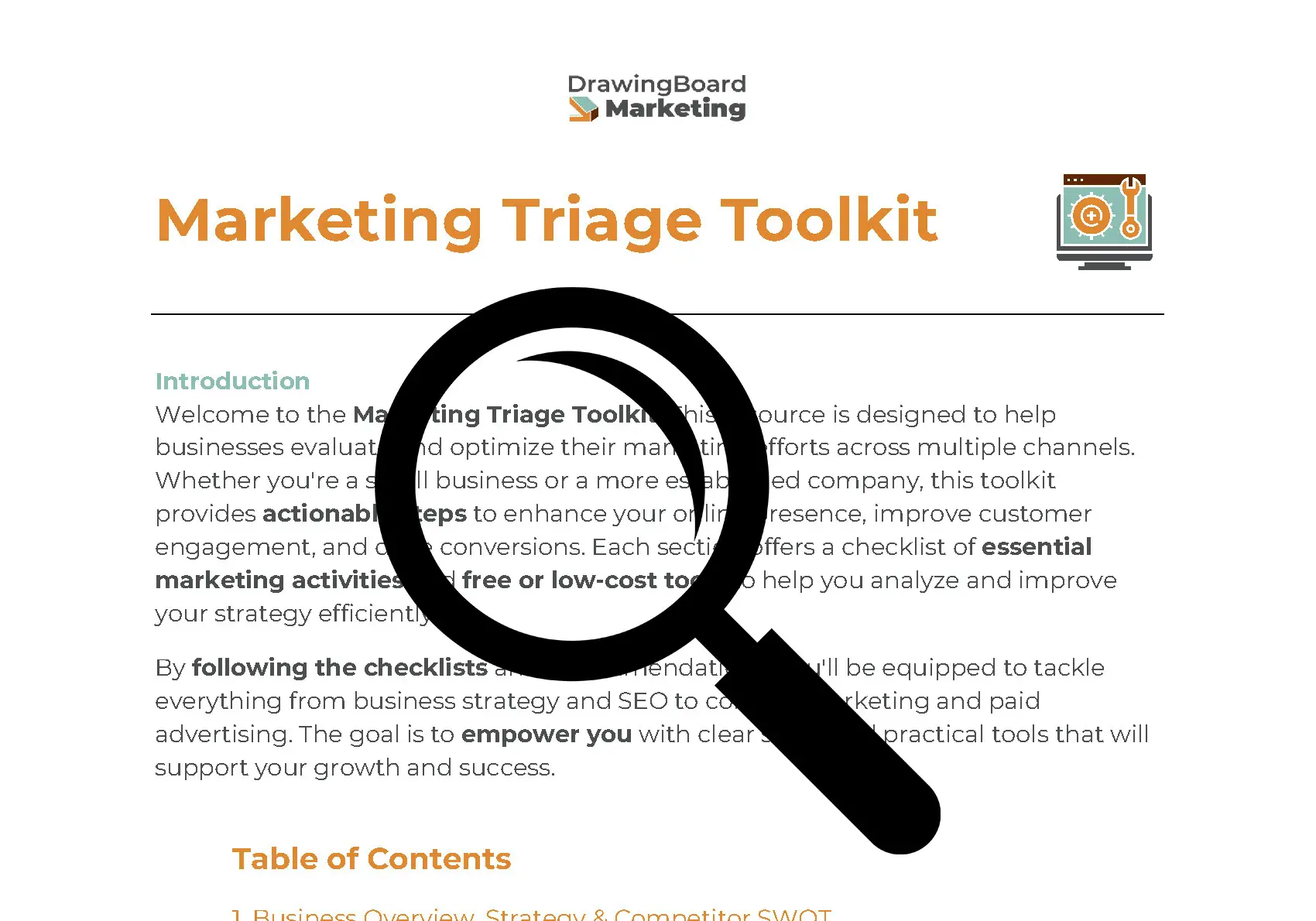
Marketing Triage Toolkit

Unlock the full potential of your business with our Marketing Triage Toolkit—an interactive, free guide designed to help businesses owners and marketers prioritize resources and optimize their marketing efforts. With checklists and free/low-cost marketing tool recommendations, this toolkit provides actionable steps to enhance your online presence, improve customer engagement, and drive conversions. Download our Marketing Triage Toolkit for free today to start implementing strategies that drive growth and position your business for long-term success.


Free Marketing Triage Toolkit

Sneak Peek at Marketing Triage Toolkit
Contact Information
Dream Electronic Recycling – Free E-Waste Recycling in San Diego East County
Free Electronic Recycling | Secure Data Destruction | Free Pickups

Dream Electronic Recycling proudly serves San Diego East County as a trusted provider of free e-waste recycling, secure data destruction, and eco-friendly disposal solutions for homes and businesses. Our mission is to provide accessible and responsible electronics recycling while keeping hazardous materials out of landfills.

We accept a broad range of electronic waste, including computers, laptops, tablets, monitors, TVs, servers, printers, copiers, routers, modems, cables, hard drives, circuit boards, and networking equipment. In addition, we recycle gaming consoles, cell phones, cameras, stereo systems, DVD players, office electronics, rechargeable batteries, and small appliances.

For businesses in San Diego East County, we offer certified data destruction services to ensure safe disposal of hard drives, SSDs, servers, and other storage devices. Whether you're upgrading equipment or disposing of bulk e-waste, we provide free pickup services and drop-off locations to make the process convenient.

Visit Dream E-Waste to explore our full list of accepted items and schedule your free e-waste pickup today!

Contact Information
phone: (619) 889-1305
Offer Valid: January 1, 2025December 31, 2035
San Diego Regional East County Chamber of Commerce